-
Tech Roundtable Meetings
- Tech Round Table Meeting 5/3/23
 Apple Car in San Francisco, How Bell introduced dial phones, humor on how AI learns.
 - Tech Round Table Meeting 4/26/23
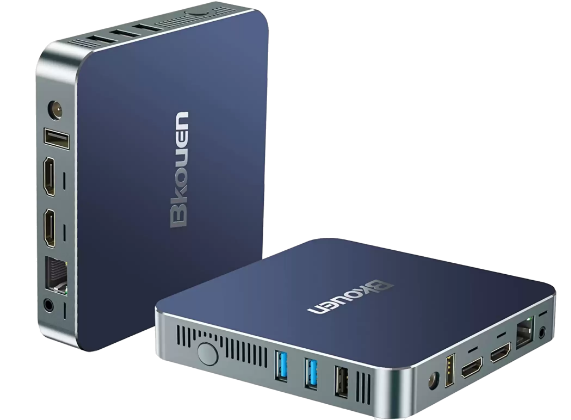 Bkouen Mini PC running Windows 11 Pro, computer virus was created using ChatGPT, collision issue of heavy batteries in EVs, Open Market Apps Act, Apple ban on 3rd party in app transactions, Near Field Communication, ScanDisk iXpand Flash Drive Go for iOS devices.
 - Tech Round Table Meeting 4/19/23
 April 19, 2023 Tech Round Table meeting on Zoom The topics included my project accessing OpenAI’s DALL-E image generation API, Mini PCs that could run Windows 11, Boston Dynamics Dog used by NYC Fire Department, $3.5 billion is stolen Bitcoin, Google Multisearch, Syllable and equivalent operating systems, Google search panic to counter Microsoft AI chat… Continue reading Tech Round Table Meeting 4/19/23
 - Tech Round Table Meeting 4/12/23
 April 12, 2023 Tech Round Table meeting on Zoom The meeting topics included digital burglaries, USB juice jacking, Bard getting a math question wrong, the new OpenAI bug bounty program, Ubuntu 23.04 “Lunar Lobster” and video of a compressed natural gas car exploding in a filling station. Digital Burglaries Jack Sharp offered an article on… Continue reading Tech Round Table Meeting 4/12/23
 - Tech Roundtable Meeting 4/5/23
 April 5, 2023 Tech Roundtable meeting on Zoom I did a demo of a short session using ChatGPT as a assistant to learn how to use HTML. Attendee uses of AI were discussed and evaluated. Attendees were also interesting in aspects of AI such as emotions. Medical imaging and customer support applications of AI were… Continue reading Tech Roundtable Meeting 4/5/23
 - Tech Roundtable Meeting 3/29/23
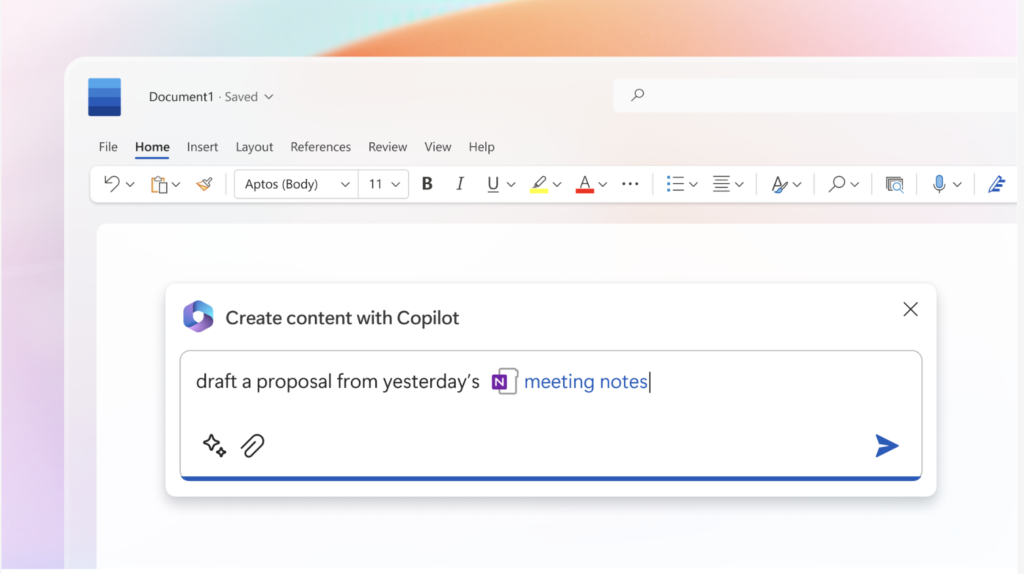 March 29, 2023 Tech Roundtable meeting on Zoom The meeting covered a demonstration of Google Bard, videos on Microsoft 365 CoPilot, a brief review of using RSS feeds, issues with USB drives, a ChatGPT plugin for ONLYOFFICE, the open letter to pause AI experiments, potential and impact of AI, the devalued value of Twitter and… Continue reading Tech Roundtable Meeting 3/29/23
 - Tech Roundtable Meeting 3/22/23
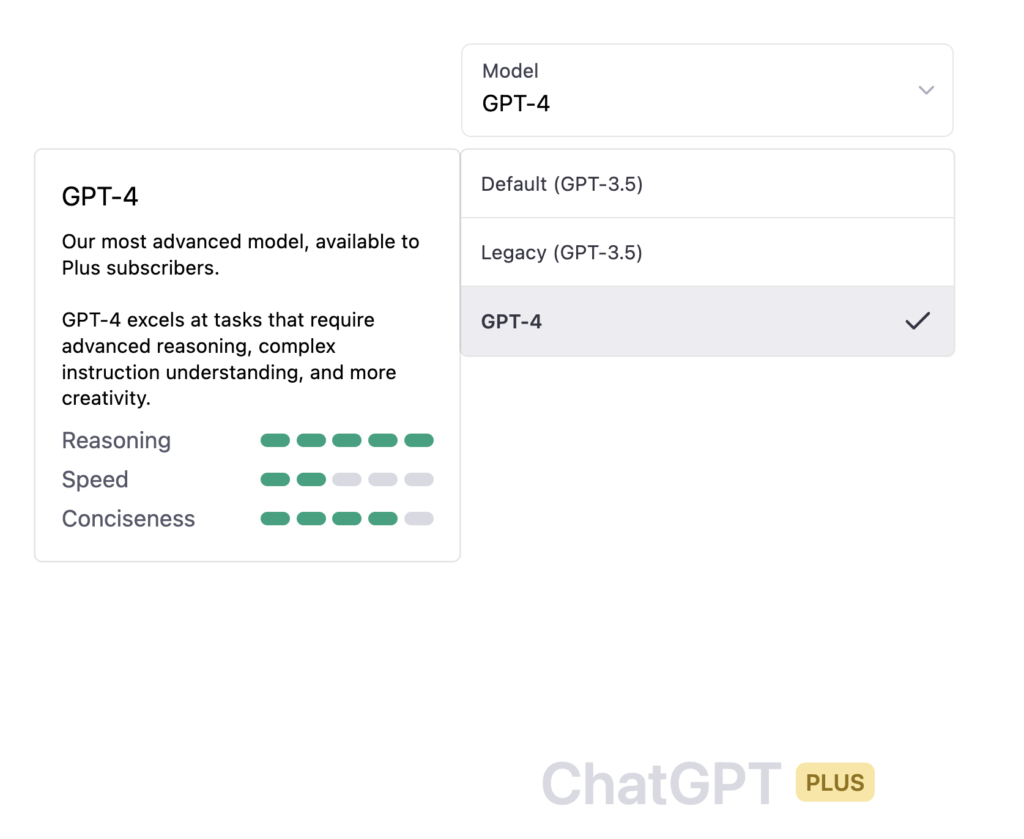 March 22, 2023 Rech Round Table topics of OpenAI continued from the last meeting with an overview of the “new” Bing using Microsoft Edge, the OpenAI outage occurring on Monday 3/20/23, the announcement of Microsoft Bard and my PHP application of the OpenAI API.
Meeting Announcements: To get an advanced invite to meetings you need to be on our mailing list! Register for a specific event on the event page or go to our events webpage.
Q&A Bring your questions to the meeting. Club members love to discuss and answer questions at the Q&A portion of the meeting. Need Help Bring your computer, device, internet problems and questions to our meeting open to the public and we will try to help you. More information
Facility Held Event Zero Footprint Policy
It is absolutely important at all events you clean up after yourself. Return any chairs or tables you moved, turn off overhead projectors, return any AV equipment or wires you used, take back with you any books, manuals, equipment and other relics you brought in the hope someone wanted it. Especially hardware! Locations such as the Hunterdon Medical Center are not dumpsters for electronics. We are their guest.
Get Rid of IT Here
- Best Buy Recycling Items
- Staples Recycling Program
- Hazardous Waste Cleanup Day
- Hunterdon Electronics Collection Day More Information
- Special day for paints, oil, propane tanks
Newsletter Digitizing Project
The past paper newsletters for the club are being digitized and added to the website. Current status.